
Roseline Godbout
Director, Division of Experimental Oncology
Developmental OncologyResearch Overview
Explores cancer through developmental biology lens, focusing on glioblastoma, metastatic cancers, and fatty acid binding proteins in cancer metabolism.
The Godbout Laboratory has been doing cancer research for over 30 years, making significant contributions to our understanding of how cellular mechanisms go awry in cancer. Our interdisciplinary approach combines molecular biology, cell biology, and biochemistry to uncover fundamental processes that govern cell fate decisions.
Research Focus
DDX1 RNA Helicase
DEAD Box 1 (DDX1) is an RNA helicase that binds and unwinds double-strand nucleic acids. DDX1 is essential for embryonic development, with DDX1 knockout in mice resulting in lethality in 2-4 cell stage embryos. In adults, DDX1 protects cells by binding to target RNAs when cells are under genotoxic or environmental stress.
FABP7 in Glioblastoma
Glioblastomas are a particularly aggressive type of brain tumour that is resistant to treatment and infiltrates the brain. Prognosis is poor, but survival varies with clinical factors, molecular features such as MGMT promoter methylation, and treatment. We are studying FABP7, associated with glioblastoma cell migration, infiltration and poor prognosis.
Prostate Cancer Progression
Metastatic prostate cancer is generally not curable, but available treatments can control disease and improve survival. Lipid metabolism has been identified as a key factor in prostate cancer progression.
Key Publications
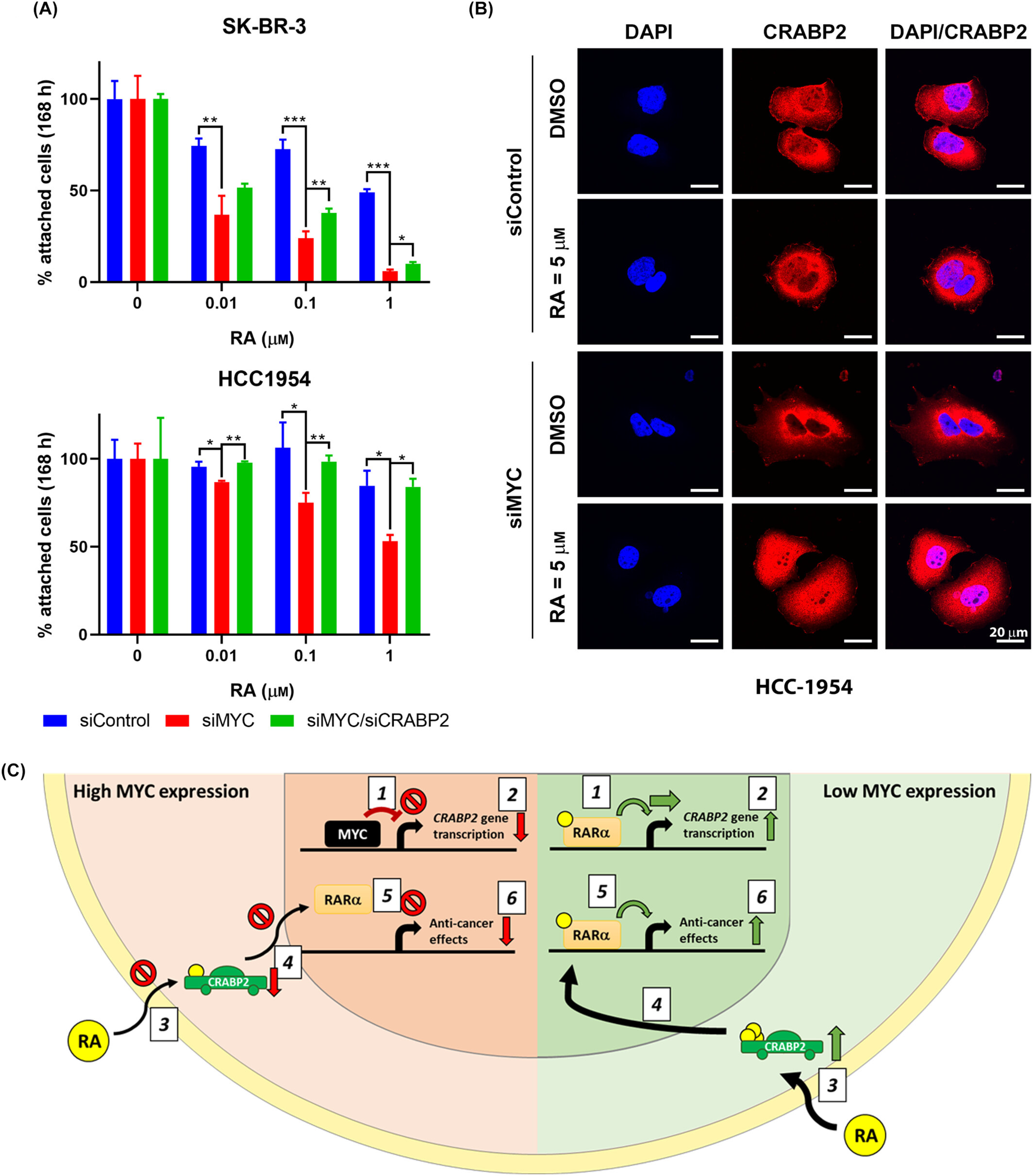
Overcoming retinoic acid resistance in HER2-enriched breast cancers: role of MYC
HER2-enriched breast cancers are aggressive and often develop resistance to the standard drug trastuzumab. We identified the oncoprotein MYC as a key driver of this resistance. We demonstrated that depleting MYC restores sensitivity to RA and significantly enhances the effectiveness of trastuzumab.
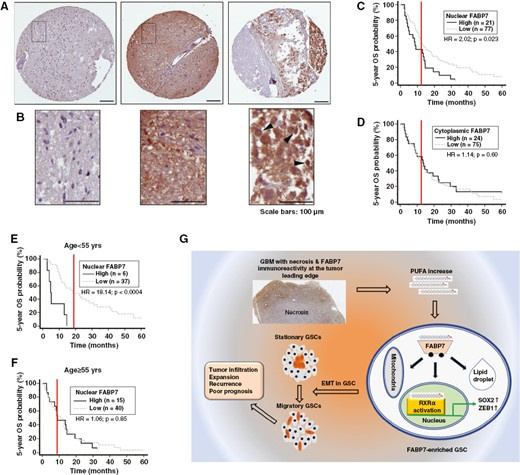
Stationary-to-migratory transition in glioblastoma stem-like cells driven by a fatty acid-binding protein 7-RXRα neurogenic pathway
This study identifies a specific subpopulation of migratory GSCs that drive tumor infiltration. We discovered that the protein FABP7 is key to this process. Inhibiting this FABP7-RXRα pathway successfully reduced tumor infiltration.
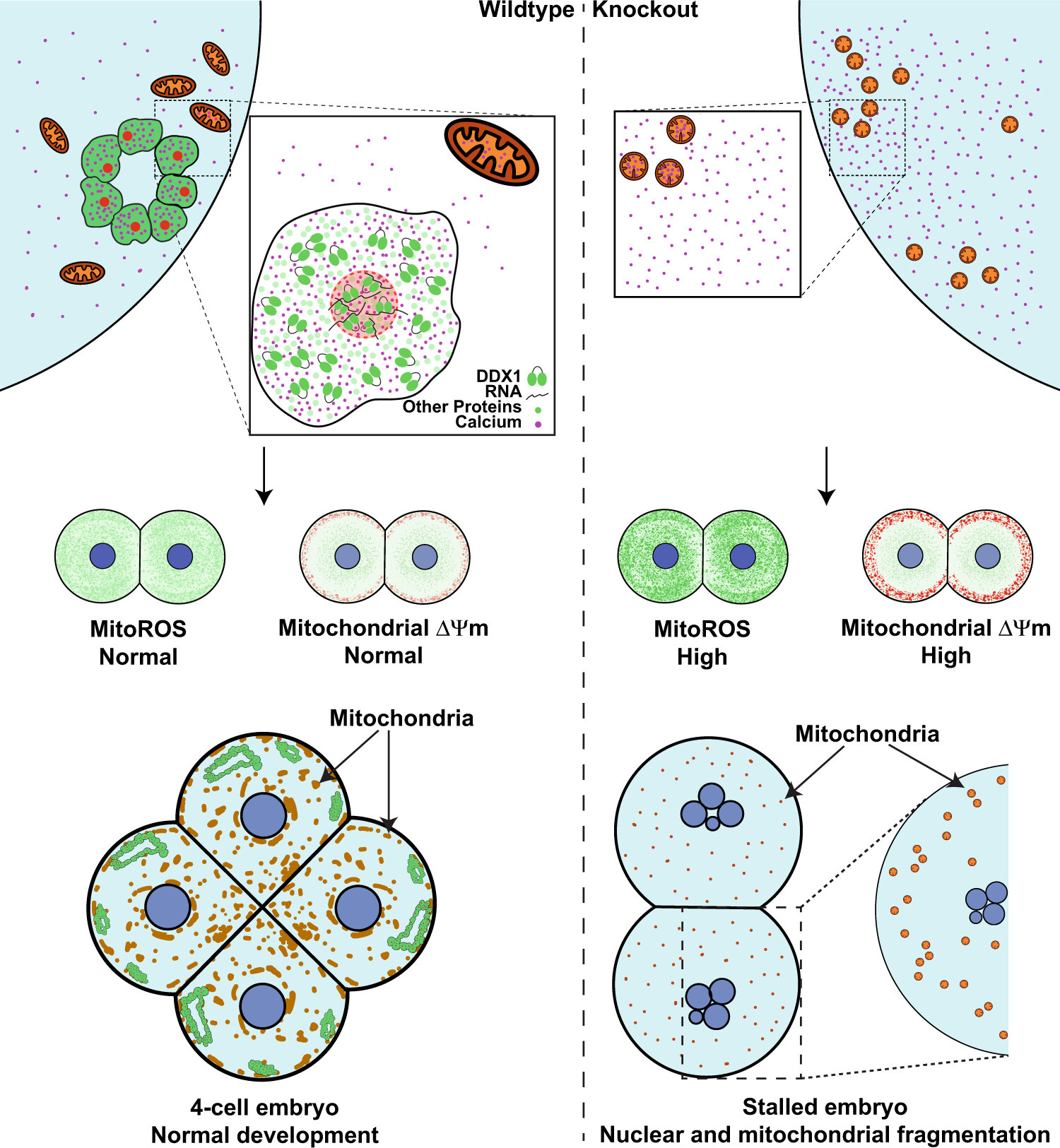
DDX1 vesicles control calcium-dependent mitochondrial activity in mouse embryos
This landmark study reveals why DDX1 is absolutely essential for life. We discovered that DDX1 knockout embryos fail to develop past the 2-4 cell stage due to catastrophic mitochondrial dysfunction.
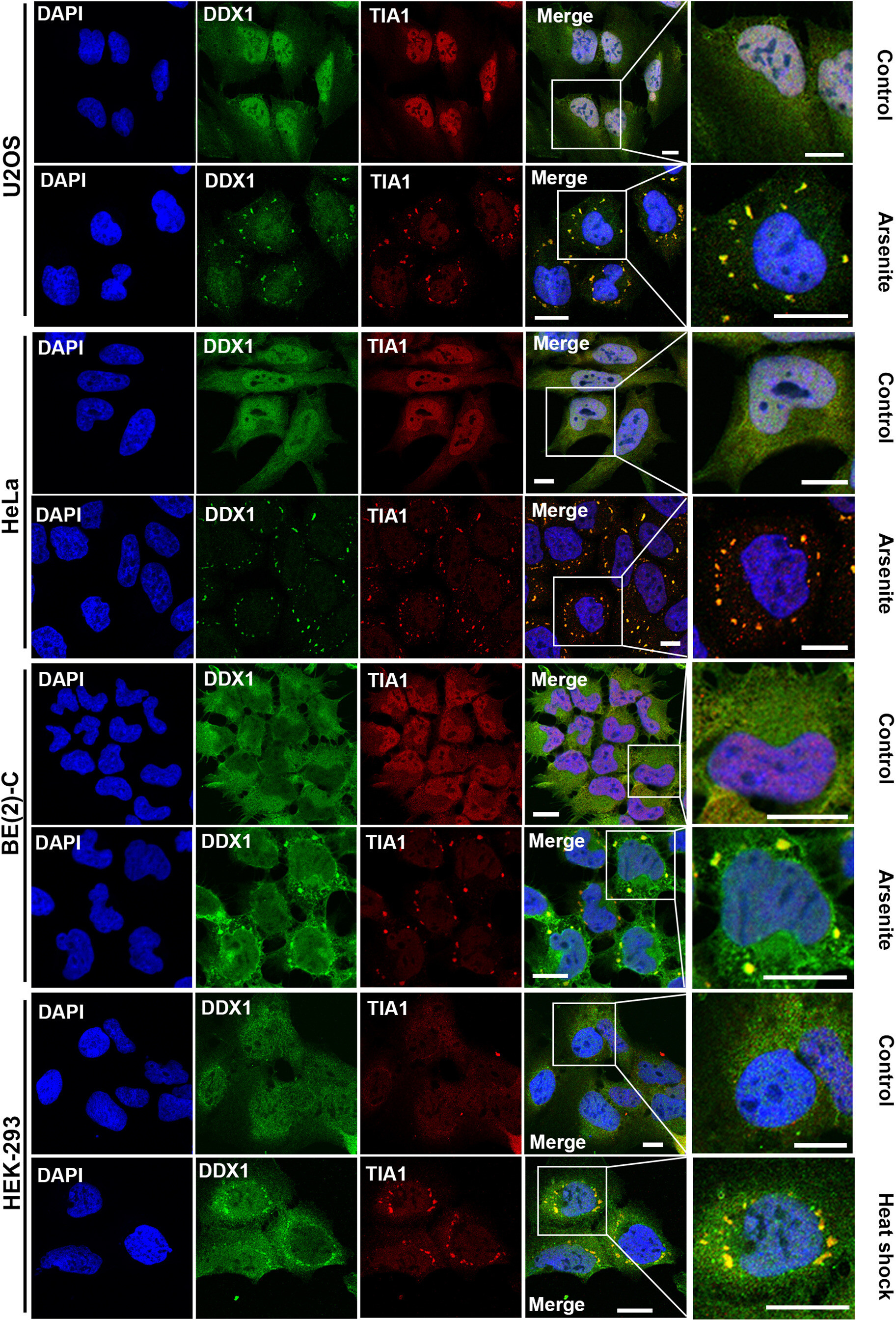
DEAD box 1 (DDX1) protein binds to and protects cytoplasmic stress response mRNAs in cells exposed to oxidative stress
This groundbreaking study reveals a fundamental cellular survival mechanism. DDX1, an RNA helicase, acts as a molecular guardian during cellular stress by forming protective cytoplasmic structures around critical stress response mRNAs.
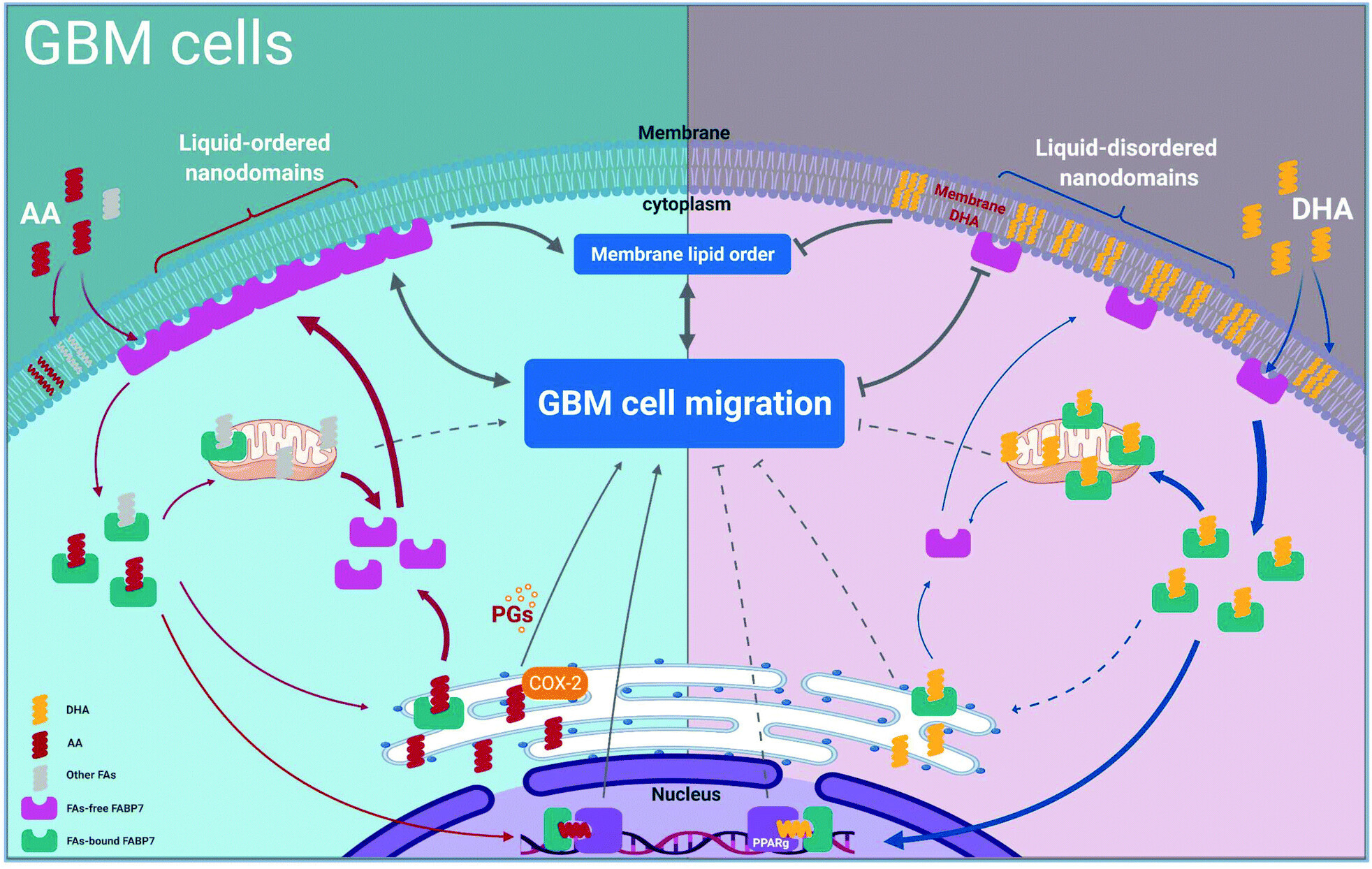
Super resolution microscopy reveals DHA-dependent alterations in glioblastoma membrane remodelling and cell migration
This study provides critical insights into how docosahexaenoic acid (DHA), an omega-3 fatty acid, affects glioblastoma cell behavior at the nanoscale level.
Research Imagery
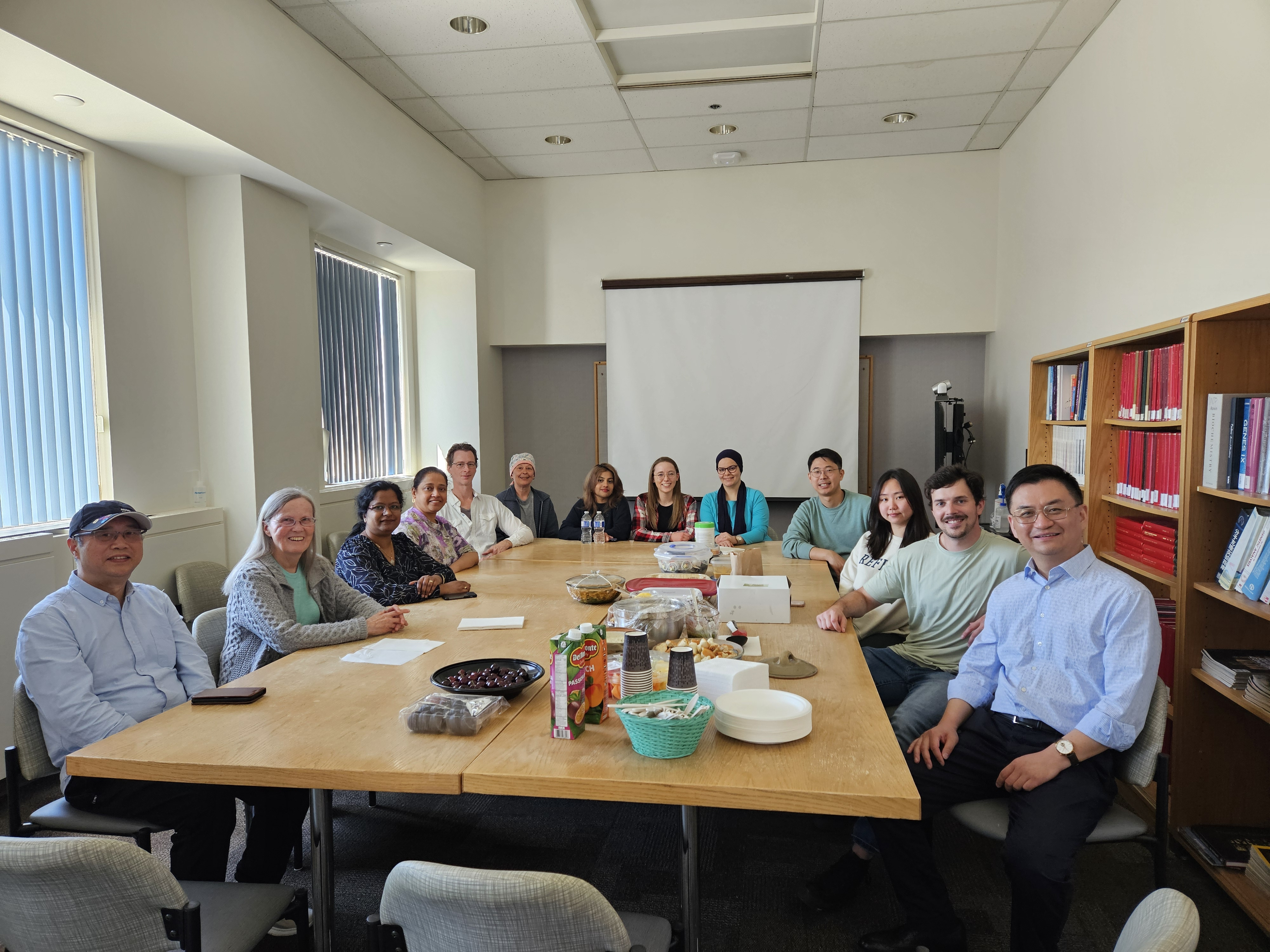
Godbout Laboratory 2024
Contact & Lab Information
Location
Cross Cancer Institute